India Oman CEPA: A New Chapter Opens for Bilateral Trade and Economic Ties
India and Oman have just taken a big step forward by signing a comprehensive trade deal in Muscat.
This agreement promises easier market access, lower duties, and stronger cooperation, giving a fresh boost to businesses and people on both sides.
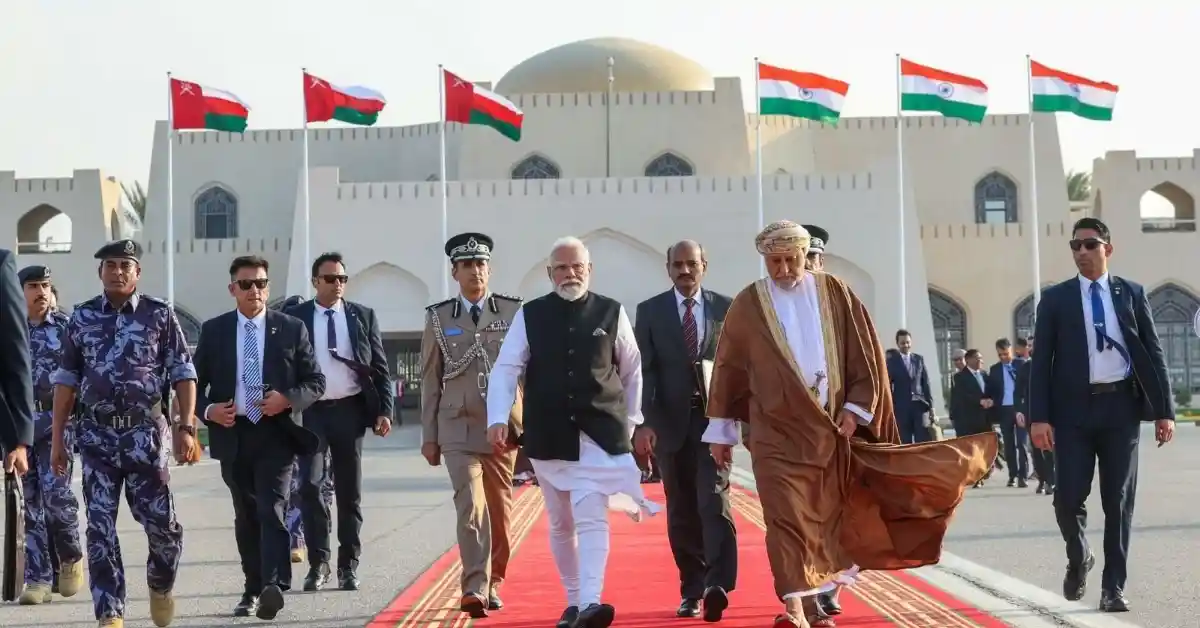
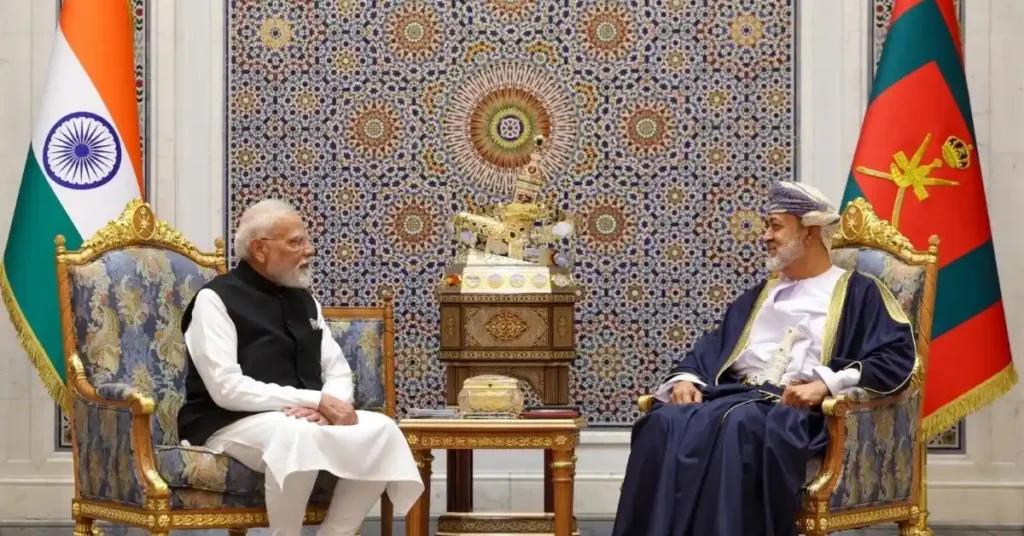
The India Oman CEPA was formally signed on December 18, 2025, during Prime Minister Narendra Modi’s visit to the Sultanate, in the presence of Sultan Haitham bin Tarik. Commerce Minister Piyush Goyal and his Omani counterpart inked the pact, marking Oman’s first such bilateral deal in nearly two decades.
Key Highlights of the India Oman CEPA
Bilateral trade between the two nations reached $10.613 billion in FY25, up significantly from the previous year. The pact aims to build on this by removing barriers and creating a predictable framework for growth in goods, services, and investments. Over 6,000 India-Oman joint ventures already operate in the Sultanate, highlighting the deep economic links.
Duty Concessions: Big Wins for Indian Exports
Oman has offered zero-duty access on 98.08% of its tariff lines, covering 99.38% of India’s export value. This means major sectors like textiles, leather, footwear, gems and jewellery, engineering goods, plastics, furniture, agriculture products, pharmaceuticals, medical devices, and automobiles will see huge benefits as Indian items become more competitive in the Omani market.
On India’s side, tariff reductions cover 77.79% of lines, benefiting 94.81% of Omani imports by value. Sensitive items like dairy, chocolates, gold, silver, jewellery, and certain footwear have been kept out to protect local farmers and small businesses.
Services Sector: New Doors for Professionals and Businesses
For the first time, Oman has made commitments in 127 sub-sectors, including computer services, business and professional services, education, health, research and development. Indian companies can now set up with 100% FDI in key areas. A major highlight is easier mobility for Indian professionals – doctors, engineers, accountants, and others – with relaxed visa rules, longer stays, and higher quotas for intra-corporate transfers.
This will help the large Indian community in Oman and increase remittances, which already stand around $2 billion annually.
Benefits for the Common Man Under India Oman CEPA
This deal goes beyond big companies. Increased exports in labour-intensive sectors like textiles, jewellery, and agriculture will create more jobs, especially for rural artisans, women, and small entrepreneurs. MSMEs get better access to Omani markets, leading to local employment and higher incomes.
For expatriates, smoother visa processes mean more opportunities in healthcare, engineering, and traditional fields like Ayush and yoga. Overall trade growth could help keep prices in check and strengthen the economy indirectly.